
Assistive Technology assessment matched to real tasks
The right equipment should respond to a real functional need and fit the person, their environments and support arrangements. Assessment includes trials, comparison and practical recommendations where these are appropriate.
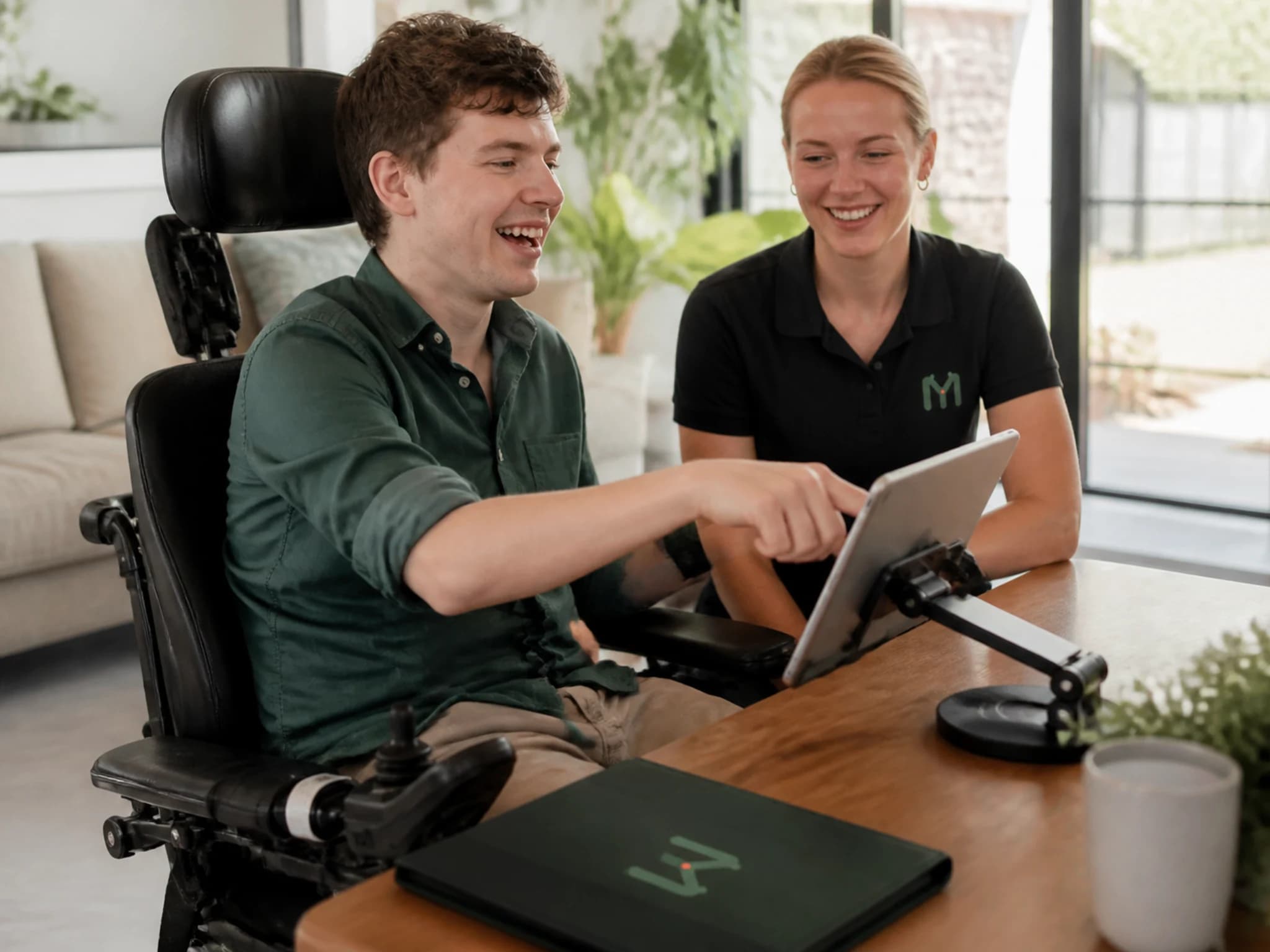
People first
Who this service may support
Children and young people
Assessment explores age-appropriate equipment for positioning, mobility, self-care, access or communication.
Adults
Technology and equipment support daily tasks, safety, access and community participation for adults.
Families and support teams
Supporters contribute information about use, setup, maintenance and the environments where equipment is needed.
In your own words
Common starting points
Matching equipment to function
Assessment connects features and specifications with identified activities rather than choosing equipment by brand alone.
Trialling options safely
Where available and appropriate, trials help explore fit, access, comfort and practical use before recommendation.
Planning for everyday environments
Recommendations consider space, transport, supporters, setup and how needs could change over time.
Meaningful progress
Everyday goals
- Clarifying the functional need that proposed technology is intended to address.
- Comparing suitable options and documenting clinical reasoning within professional scope.
- Supporting safer setup and use through practical education and review where required.
Individual and collaborative
What support may involve
- Assessment of the person, relevant activities and the environments where technology may be used.
- Equipment research, supplier liaison and trials when these are suitable and available.
- Documentation, setup guidance and review proportionate to the complexity and risk of the recommendation.
A clear path
How to get started
Start with a conversation
Tell us about the person, their strengths, everyday routines and the goals that matter now.
Confirm the right next step
The team considers suitability, location, timing, fees and the most useful service or assessment.
Review support together
Recommendations and supports are reviewed as priorities, environments and participation change.
Funding and appointment access
Equipment trials depend on supplier availability, which the team confirms during assessment.
Marsden Therapy is a Registered NDIS Provider and welcomes agency-managed, plan-managed and self-managed participants, as well as private clients. Plan coverage depends on individual circumstances.
Service suitability, delivery setting, timing, fees and availability are confirmed with the team before support begins.
Clinic, home, school, community, telehealth, day care and child care options are considered when appropriate for the person, service and goals.
Useful to know
Frequently asked questions
Does Marsden Therapy sell assistive technology?
The clinical service focuses on assessment and recommendations. Product supply arrangements and any provider relationships are explained separately.
Can an assessment guarantee equipment funding?
No. Recommendations provide clinical evidence, while purchase and funding decisions sit with the relevant funder or private client.
Will I always need to trial the equipment first?
Trial requirements depend on the item, risk, complexity, availability and assessor judgement. The process is explained for each assessment.
Where to find us
Available locations
Next step
Ready for the next step?
Choose booking when you are ready, or contact the team if you would like to ask about suitability, funding or availability first.