
Home modification assessment for safer access at home
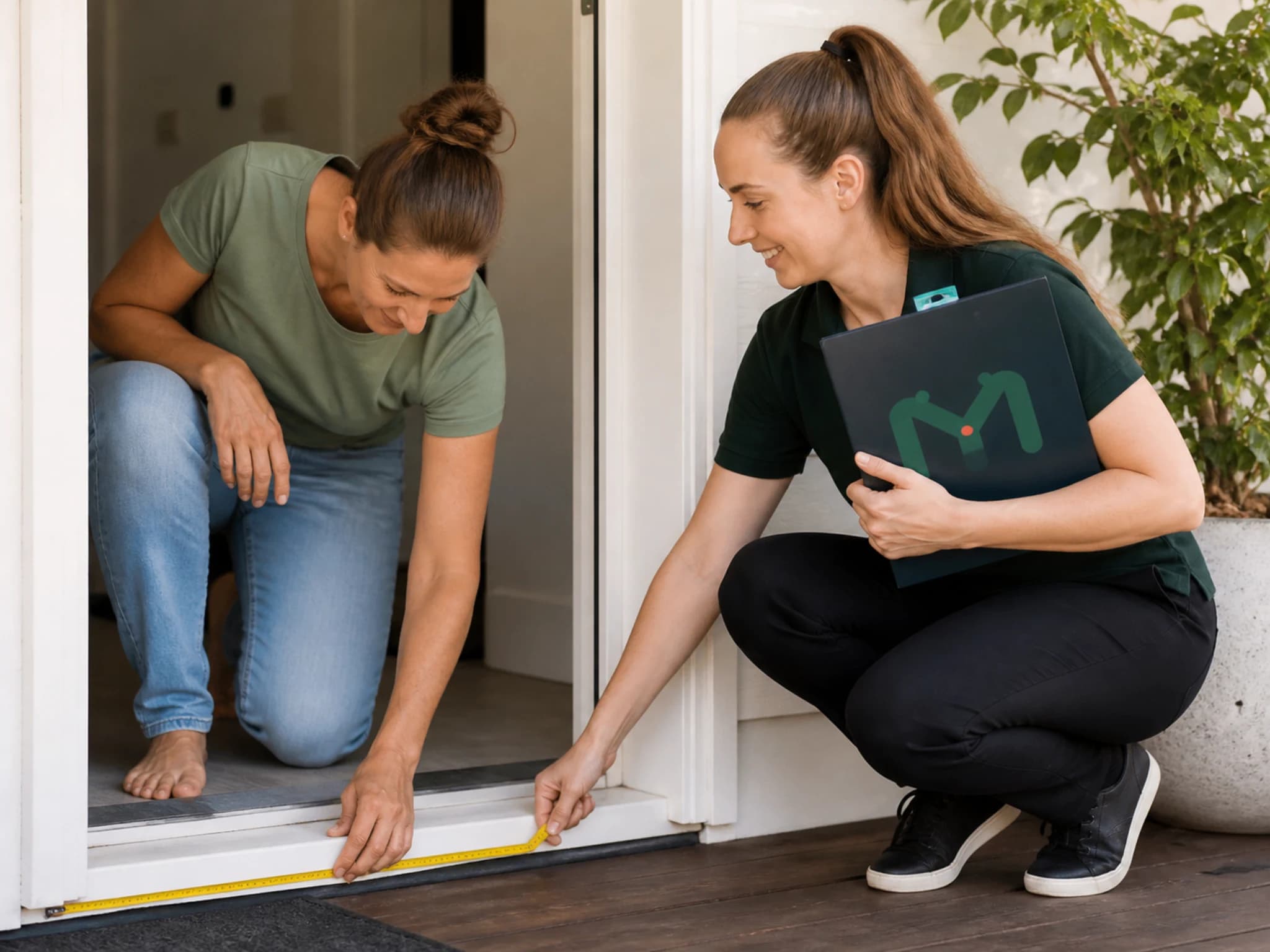
A home modification begins with the person, the activities they need to complete and the physical environment around them. Recommendations are based on assessment, risk, feasibility and the agreed scope.
People first
Who this service may support
Children and families
Assessment considers safer access, care routines and participation as a child’s needs and family environment develop.
Adults
Changes often support mobility, transfers, personal care, household activities or access for adults.
Household and support members
With consent, relevant people can explain routines, assistance needs and practical constraints within the home.
In your own words
Common starting points
Identifying access barriers
Assessment considers the person’s function alongside entrances, circulation, bathrooms and other relevant spaces.
Managing safety and assistance
Recommendations address risks to the person and those providing agreed physical assistance.
Planning feasible changes
The assessor considers clinical need, the property, applicable standards and when other specialists are required.
Meaningful progress
Everyday goals
- Clarifying how the current home environment affects safety and participation.
- Documenting proportionate recommendations linked with assessed functional needs.
- Supporting informed discussion with builders, funders or other professionals where required.
Individual and collaborative
What support may involve
- A home visit and functional assessment of relevant tasks, access points and physical spaces.
- Measurements, photographs with consent, option analysis and liaison within professional scope.
- A written recommendation that identifies limitations and any need for building or specialist advice.
A clear path
How to get started
Start with a conversation
Tell us about the person, their strengths, everyday routines and the goals that matter now.
Confirm the right next step
The team considers suitability, location, timing, fees and the most useful service or assessment.
Review support together
Recommendations and supports are reviewed as priorities, environments and participation change.
Funding and appointment access
Home modification assessments include a visit to the property being assessed.
Marsden Therapy is a Registered NDIS Provider and welcomes agency-managed, plan-managed and self-managed participants, as well as private clients. Plan coverage depends on individual circumstances.
Service suitability, delivery setting, timing, fees and availability are confirmed with the team before support begins.
Clinic, home, school, community, telehealth, day care and child care options are considered when appropriate for the person, service and goals.
Useful to know
Frequently asked questions
Does the occupational therapist carry out building work?
The therapist assesses functional needs and recommends modifications; appropriately qualified building professionals complete regulated design or construction work.
Can a home modification recommendation guarantee funding approval?
Approval decisions sit elsewhere. The report provides clinical reasoning, while property, funding and approval decisions remain with the relevant parties.
Are minor and complex modifications assessed in the same way?
The process varies with scope, risk and complexity. The team explains required professionals, information and likely stages before proceeding.
Where to find us
Available locations
Next step
Ready for the next step?
Choose booking when you are ready, or contact the team if you would like to ask about suitability, funding or availability first.